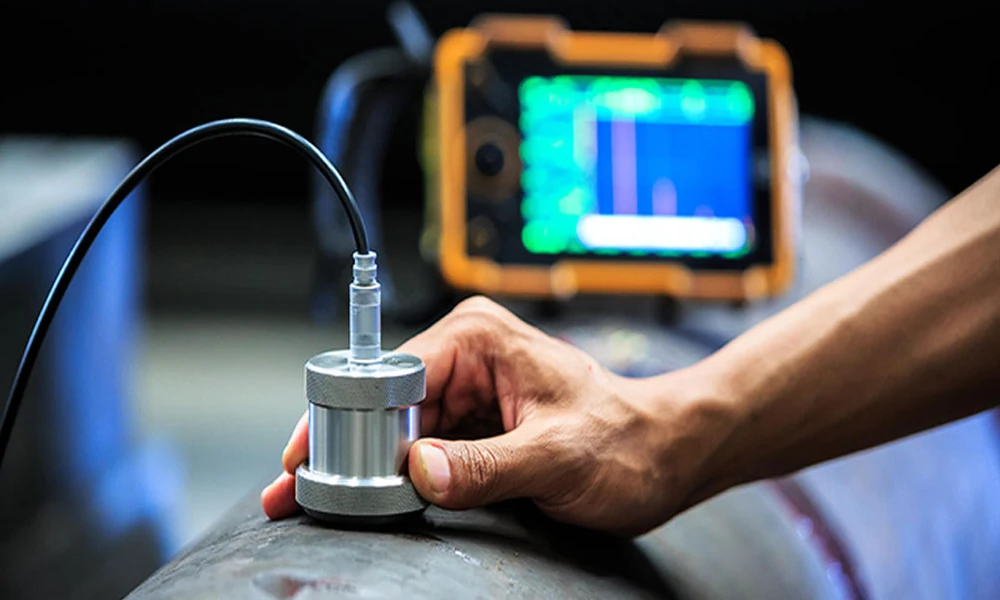
Reliable challengingapproachesaidfind hidden issues before they become serious problems. The non destructive inspection supports safer project growth by examining materials without causing damage. This approach helps detect defects, maintain structural reliability, and support better decision-making. Proper evaluation methods help teams verify component condition while dipping unexpected failures. Through careful assessment, organizations can progress operational sureness while protecting valuable assets throughout diverse project stages.
Early Defect Detection Prevents Serious Issues
Finding defects at an early stage aids reduce risks during project activities. Proper testing methods reveal hidden concerns before they grow into larger problems. Early action supports dependable outcomes while helping teams maintain strong structural reliability throughout operations.
Inspection Activities Improve Material Assessment Accuracy
Detailed evaluations support a better understanding of conditions.
- Helps identify defects before major failures occur.
- Supports accurate review of material condition.
- Reduces uncertainty during project assessment activities.
Reliable Methods Support Quality Control Efforts
Strong testing practices improve quality management procedures.
- Verifies component condition without causing damage.
- Supports dependable outcomes throughout project stages.
- Helps maintain compliance with required standards.
Structural Integrity Remains Properly Maintained Always
Maintaining structural integrity is important for long-term performance. Testing procedures help verify component condition without causing damage. This approach supports dependable operation while helping organizations detect hidden concerns before they affect structural stability.
Condition Reviews Help Reduce Future Risks
Regular reviews support proactive issue management.
- Identifies weaknesses before concerns become serious.
- Supports preventive action through accurate findings.
- Helps maintain dependable structural performance levels.
Accurate Results Support Better Project Decisions
Clear testing results help decision makers choose suitable actions. Reliable information improves planning while reducing uncertainty. Accurate evaluations support stronger project control, helping teams address concerns effectively before they impact progress or performance.
Testing Reports Strengthen Documentation Procedures Effectively
Clear records improve project management processes.
- Provides evidence supporting structural condition evaluations.
- Helps maintain accurate inspection-related records.
- Supports accountability throughout project development activities.
Consistent Monitoring Strengthens Overall Project Confidence
Regular monitoring helps maintain awareness of the structural condition. Ongoing evaluations support informed decisions while reducing uncertainty. Consistent assessment practices help organizations identify concerns promptly, supporting stronger project management throughout development and operational phases.
Continuous Evaluation Supports Long-Term Stability
Regular assessments support dependable structural operation.
- Helps detect changes before major concerns.
- Supports informed planning through accurate information.
- Improves awareness of structural condition levels.
- Assists in preventive action during project activities.
- Encourages dependable performance over extended periods.
Effective evaluation practices provide valuable insight into structural conditions while helping organizations reduce uncertainty. Dependable assessments support stronger planning, progress accountability, and help find concerns before they grow into significant issues. Using non destructive inspection as part of a structured assessment strategy helps maintain dependable assets, improve project outcomes, and support informed actions that reduce future challenges.
FAQ
What is non destructive inspection?
Non destructive inspection evaluates materials or structures without causing damage, helping identify defects while maintaining usability throughout operations.
Why is testing important for projects?
Testing aids detect hidden weaknesses early, supports dependable performance, reduces risks, and improves confidence in structural condition.
How does testing improve project reliability?
Testing provides accurate condition information, supports preventive actions, reduces unexpected issues, and helps maintain dependable performance levels.