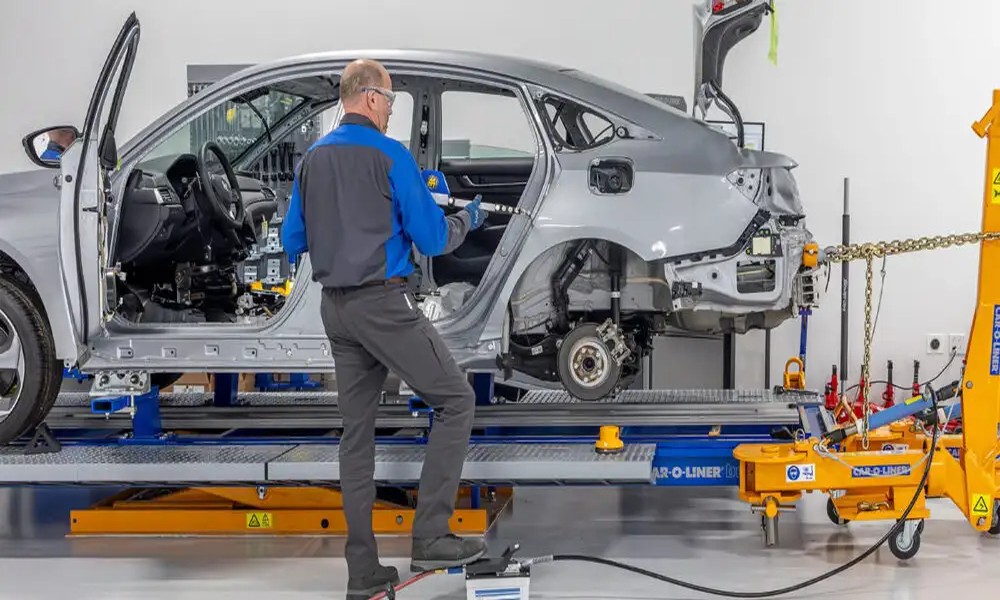
A structured repair approach begins with accurate measurement, guiding every correction step clearly. Modern workshops rely on precise systems to reduce guesswork during alignment processes. Within this method car body alignment jig plays a central role in maintaining structural accuracy consistently. Data-based methods help identify misalignment areas before adjustments begin effectively. Clear readings support better planning and reduce repeated correction efforts significantly. These concepts explain how structured data improves repair outcomes across workshop operations.
Structured data improves repair workflow clarity
Accurate data ensures each repair stage follows a clear direction without confusion. Reliable readings help maintain consistency across different repair processes.
Measurement systems guiding alignment precision
Measurement tools provide exact values that guide each adjustment step effectively. Consistent data ensures corrections follow accurate alignment standards every time.
Data collection is improving repair accuracy levels
Collected measurements help identify alignment issues before correction begins. Clear data supports precise planning and reduces unnecessary adjustments during repair.
- Accurate readings help identify structural gaps before adjustment tasks begin
- Reliable data ensures alignment follows the required standards across repair processes
- Measurement tools reduce errors during alignment correction steps effectively
- Collected values support consistent results across different repair conditions
- Data analysis improves understanding of structural condition before correction
Visual mapping guiding structural correction steps
Visual tools display alignment gaps clearly for easy understanding during repair. Clear visuals help guide adjustments toward accurate correction outcomes efficiently.
- Visual displays highlight misalignment points for quick identification during repair
- Graphical mapping supports better decision-making during correction processes
- Clear representation reduces confusion while performing alignment adjustments
- Visual feedback improves accuracy across multiple repair stages consistently
- Mapping tools support better control during structural correction tasks
Automated systems supporting consistent repair results
Automation reduces manual effort while ensuring alignment follows measured values. Controlled systems help maintain accuracy during each repair stage consistently.
- Automated tools apply precise values, reducing manual calculation errors effectively
- Controlled systems improve alignment accuracy across repeated repair operations
- Automation ensures consistency across different structural correction tasks
- Reduced manual work improves efficiency during repair processes significantly
- Automated monitoring maintains alignment within acceptable limits during adjustments.
How data improves repair accuracy?
Data provides clear guidance for alignment without relying on guesswork. Structured information helps maintain consistency during each correction stage. Accurate values ensure stable results across repair tasks.
What ensures alignment consistency?
Consistent measurement supports reliable alignment results during repair operations. Clear readings guide adjustments while reducing errors in correction steps. Regular monitoring maintains accuracy throughout the process.
- Accurate measurement ensures stable alignment across repair procedures consistently
- Data driven adjustments improve precision during structural correction tasks
- Continuous monitoring supports consistent results across repair operations
- Reliable systems reduce variation during alignment correction processes
- Structured methods maintain accuracy during repeated repair activities
Why structured tools support better outcomes?
Structured tools provide controlled adjustments during alignment correction processes. These tools ensure accuracy while maintaining consistent repair standards. Clear guidance improves reliability across repair tasks.
Stable results achieved
Accurate repair outcomes depend on structured methods supported by reliable systems. Data-based processes guide each step toward precise correction results. Consistent monitoring ensures alignment remains within required standards throughout operations. Reliable tools improve efficiency while reducing errors during repair tasks significantly. Using car body alignment jig supports stable results through controlled alignment methods consistently.