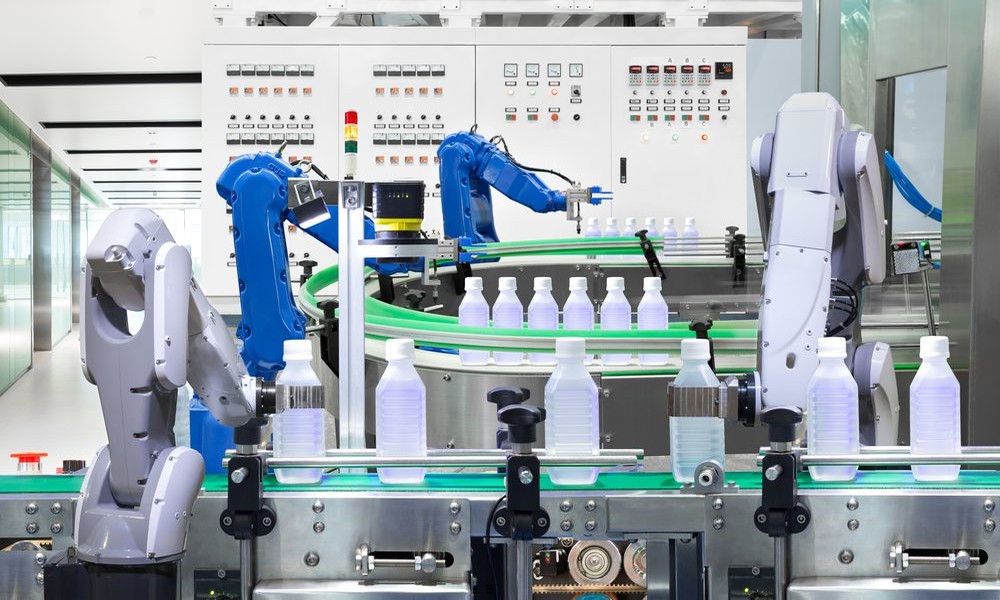
Modern production units require dependable material support for stable output during long operational cycles. Strong plastic components help equipment maintain balanced movement under changing pressure conditions. Many manufacturers prefer adaptable materials because they reduce surface wear while supporting smooth operational control during repeated usage periods. Better component strength also improves machine reliability during demanding tasks using peek plastic.
Reliable Component Material Strength
Equipment parts require a durable structure for maintaining steady motion across repeated production activities. Strong surfaces reduce unwanted friction while helping machines operate with fewer interruptions during demanding processing conditions. Material quality also supports longer operational periods without damaging connected assembly sections during continuous production movement.
- Durable sections maintain balanced movement during repeated operational pressure cycles
- Smooth surfaces support controlled rotation across extended machinery processing schedules
- Stable material layers reduce strain affecting connected assembly structure sections
- Strong internal composition improves dependable function during demanding production routines
- Balanced component structure assists accurate positioning during complex automated movement
Stable Heat Control Methods
Manufacturing systems often generate rising temperatures during long operational sequences inside enclosed processing sections. Heat-resistant materials support safer equipment function while reducing surface damage caused by constant thermal exposure. Many industries select peek plastic because it handles elevated temperatures without affecting surrounding mechanical support sections.
Smooth Operational Motion Support
Consistent movement helps automated units maintain accurate performance across repeated manufacturing procedures every day. Proper surface balance reduces vibration while supporting cleaner motion during high-speed operational sequences. Reliable materials also help lower pressure between moving sections during demanding industrial processing conditions.
Efficient Maintenance Process Planning
Routine inspection helps manufacturers identify worn sections before larger operational problems develop inside machinery units. Strong component materials reduce replacement frequency while supporting cleaner performance across repeated manufacturing procedures. Better maintenance planning also improves equipment lifespan during demanding operational schedules across industrial facilities.
- Planned inspections support smoother equipment operation during continuous production periods
- Balanced material quality reduces repair frequency, affecting connected machinery sections
- Cleaner machinery movement assists reliable output during demanding operational schedules
- Strong component surfaces support accurate function across repeated processing activities
- Proper inspection timing lowers strain, affecting the surrounding mechanical assembly structure
Improved Long-Term Equipment Output
Modern processing units require dependable support for maintaining stable performance during lengthy manufacturing operations every day. Reliable materials help equipment continue accurate movement while reducing damage affecting connected structural sections. Strong component quality also supports cleaner assembly procedures across repeated operational cycles inside production facilities.
Reliable machinery performance depends on careful material planning combined with regular operational monitoring throughout production activities. Strong component selection supports balanced movement while reducing equipment pressure during continuous industrial processing routines. Businesses improving maintenance methods alongside dependable material usage can achieve cleaner output quality with greater operational stability during long manufacturing schedules.
FAQs
Which materials support steady automated machinery movement?
Strong engineered materials improve stable machinery operational performance.
Why do industries prefer durable machinery components?
Reliable materials reduce repair needs during repeated operations.
Which factor improves machinery lifespan during production?
Regular inspection supports smoother machinery function during operations.