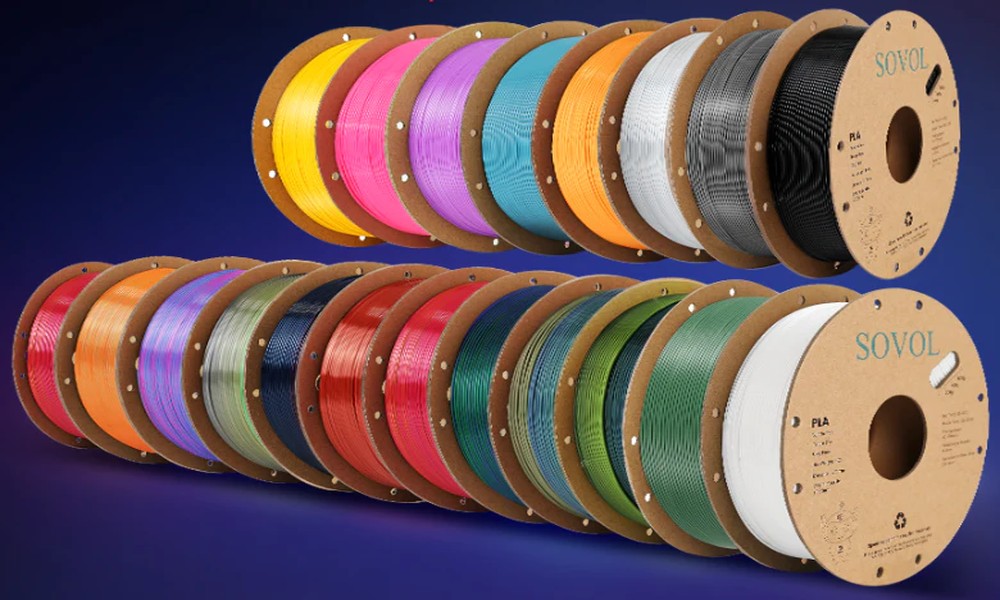
PLA filament is one of the most convenient filament to be used in 3D printing. It is composed of plant based materials hence melting at low heat when compared with other plastics. This is why it’s a popular choice for novices and for those who have to run a print job every day at their home or small workshops.
The primary objective in selecting PLA filament is to secure a spool that functions well with your printer without causing frequent issues, and produces clean prints. PLA is suitable for models, display parts and simple prototypes. Not the strongest of materials, but reliable for general use.
Before purchasing, check the quality of the filament.
Poor quality has a large impact on the performance of PLA. A major factor is the uniformity of the thickness on the roll. Too large or too small and the printer may have difficulty printing and printouts may be inaccurate.
Another aspect is the winding of the filament. A tidy spool will minimize tangles, especially during extended printing sessions. While selecting the PLA filament, it is important to look at the user reviews, product details, and ensure the brand maintains a good production control.
Even the slightest variation in quality of the print can alter the appearance of your final piece. More stable filament typically results in smoother layers, firm edges and reduced stringing. This is why it’s more important to look at the details rather than choosing PLA filament the cheapest one.
The PLA is compared to Your Printer Setup.
Not every printer prints the same way, so it is beneficial to make sure that you are using the right filament with the printer settings. Typically PLA prints best at a lower temperature, however there can be slight variations between brands.
It goes without saying that it helps to test a small print first when selecting PLA filament. This is where it is determined whether the temperature, speed and flow are correct. A fast test can prevent bigger print issues in the future.
The type of bed surface also is important. Some printers may require glue or tape to hold them in place, others stick on their own. Correctly setting it up early can enhance print success and reduce waste.
The best storage and handling practices for better results.
PLA can absorb moisture from the air over time. If this occurs, bubbles or rough surfaces may occur in prints. That’s why storage is one of the easiest yet crucial aspects of printing.
Use sealed bags (or dry boxes) to store spools to ensure good print quality. Another good way to consider PLA filament is the way you will store it, particularly if you’re purchasing in bulk quantities.
Handling matters too. Don’t leave filament exposed to the open air for extended period of time. Results can be impacted by exposure, even in humid environments. Avoid jamming or waste by using good storage practices.
Estimating the value obtained from a specific filament.
There is more to the value than the price. It’s also the number of successful prints you obtain out of each spool. A cheaper roll which leads to errors can cost more in the long run.
After using several different brands of PLA, many users will find the process of deciding on which filament to use easier. Patterns are developed over time, indicating which spools are most successful with certain patterns or patterns/machines.
Balance is good value. If your setup is going to benefit from a steady spool that prints well and feeds properly, that will save you more time and material every single time. Once you’ve tested and cared for a bit, it’s easy to select the PLA that is right for your budget and print objectives.