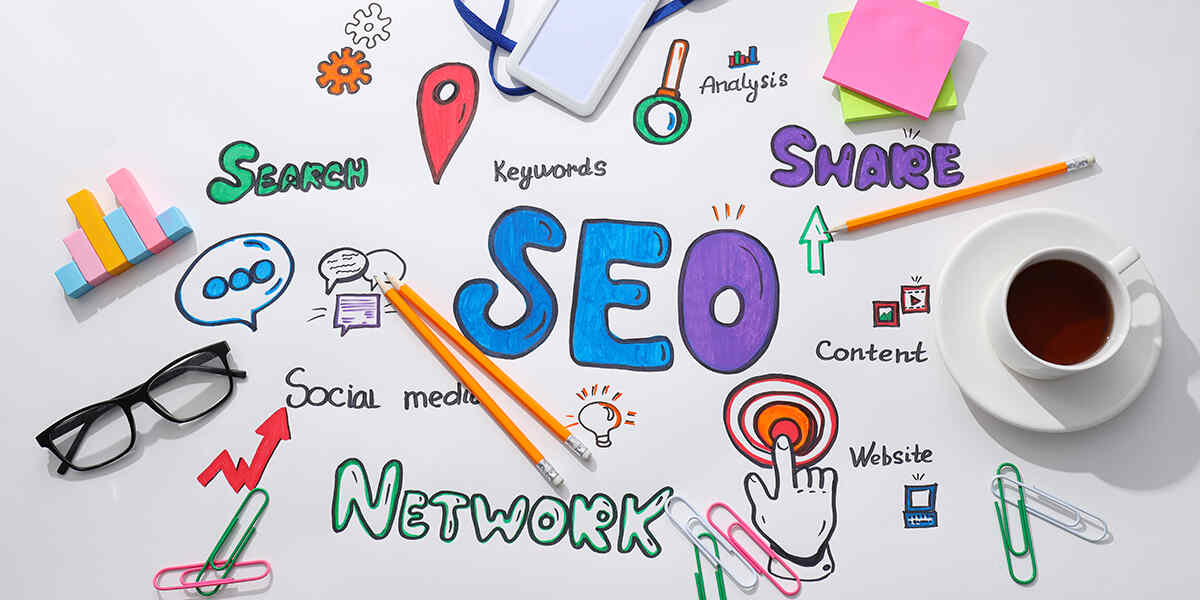
Search engine optimisation and social media are often treated as separate disciplines, managed by different teams with different goals. Yet the two are deeply interconnected, and brands that align them tend to get stronger results from both. Understanding how social media feeds into SEO – and vice versa – is a useful step towards a more coherent digital strategy.
Social Signals And Search Visibility
Search engines do not directly count social media likes, shares or comments as ranking factors, but that does not mean social activity is irrelevant to your search performance. When content is widely shared on social platforms, it reaches more people, including journalists, bloggers and website owners who may link back to it. Those inbound links carry genuine SEO weight.
The relationship is therefore indirect but meaningful. A well-distributed piece of content on LinkedIn or Twitter can accumulate backlinks over time that would never have appeared if the content had simply sat on your website without promotion. Social media is, in this sense, a distribution engine that amplifies content and increases its chances of being cited elsewhere.
Search Intent And Social Content
Understanding what people search for can sharpen your social media content as well. Keyword research reveals the questions and topics your audience is actively looking for answers to. When your social posts address those same topics, you create a consistent experience across channels. Someone who discovers your content through search and then encounters the same themes on your social profiles is more likely to remember and trust your brand.
The reverse is also true. Social media listening can surface language and concerns that your audience uses naturally, which can inform how you approach keyword research and content creation. The way people phrase questions in comments or captions often reflects genuine search intent more authentically than formal keyword data alone.
Your Social Profiles Rank In Search
It is worth remembering that your social media profiles themselves appear in search engine results. A well-optimised LinkedIn page, a consistently maintained Instagram account, or a verified Facebook page can occupy prominent positions when someone searches for your brand. This gives you more control over your first-page presence and reduces the risk of negative results dominating.
Keeping your social bios accurate, using relevant keywords in your descriptions, and posting consistently all contribute to how your profiles perform in search. These are small actions with compounding benefits over time.
Content Longevity And Social Promotion
Evergreen content – articles, guides and resources that remain useful regardless of when they are read – benefits particularly from social promotion. Unlike news or trend-led posts, evergreen pieces can be reshared repeatedly across your social channels, sending recurring traffic signals to search engines and maintaining a steady stream of visitors.
Scheduling regular reshares of your best performing content is a straightforward tactic that many brands overlook. A guide published eighteen months ago may still be highly relevant, and promoting it again costs nothing but a few minutes of planning.
Bringing The Two Together
The most effective approach is to treat social media and SEO as part of the same content strategy rather than parallel efforts. Start with an understanding of what your audience searches for, create content that addresses those needs, then use social media to put that content in front of as many relevant people as possible. Moz has written extensively about how this integration can lift results for both channels simultaneously.
Effective social media management from a company like 99social ensures your content is distributed consistently and strategically, giving your SEO efforts the social boost they need to reach their full potential.
Treating these channels as partners rather than rivals is one of the smarter moves a brand can make in its digital marketing strategy.