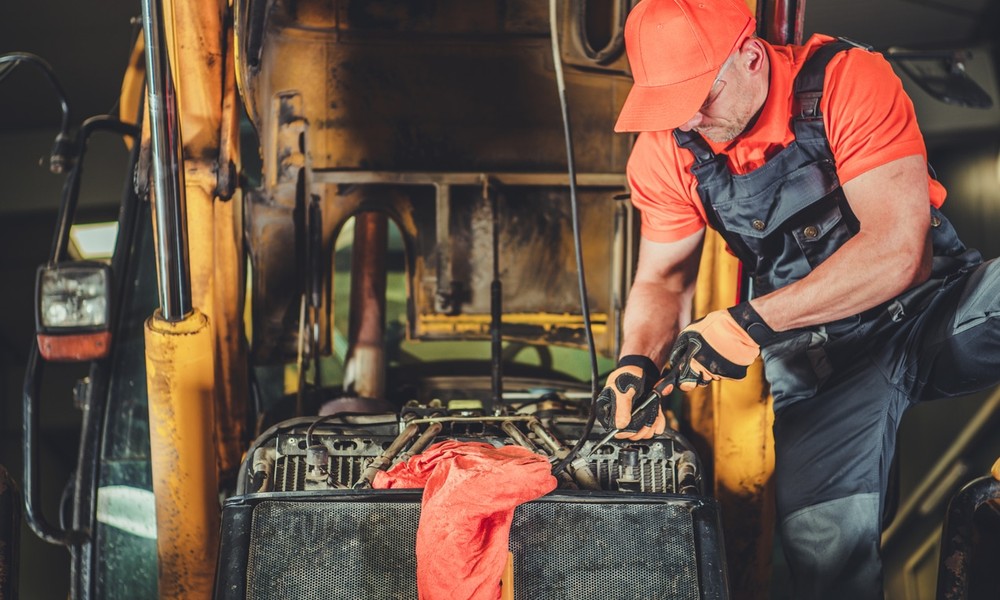
Construction, mining, agriculture, and infrastructure development are all significantly influenced by heavy equipment. From excavators and loaders to bulldozers and cranes, these machines are built to handle demanding environments and heavy workloads. However, even the most robust equipment is not immune to wear and failure. When machines break, what follows is not just a simple fix but a carefully structured process grounded in science, engineering, and experience.
Understanding Why Machines Fail
The first step in effective repair is to comprehend the cause of every malfunction. Heavy equipment operates under extreme stress, often exposed to dust, heat, vibration, and heavy loads. Over time, these factors lead to component fatigue, material degradation, and system inefficiencies.
Failures can occur due to mechanical wear, hydraulic system issues, electrical faults, or even improper usage. For instance, continuous overloading can weaken structural components, while poor lubrication can cause friction-related damage. Identifying the root cause is essential because treating only the visible problem often leads to recurring failures.
The Role Of Diagnostics In Modern Repairs
Gone are the days when repairs relied solely on visual inspections and manual testing. Today, advanced diagnostic tools play a major role in heavy equipment repair. Technicians use sensors, onboard computer systems, and specialized software to detect issues that may not be immediately visible.
Modern machinery is equipped with electronic control units that store performance data and error codes. These systems help technicians pinpoint the exact location and nature of a problem. By analyzing this data, repair professionals can make informed decisions, reducing guesswork and improving repair accuracy.
Material Science Behind Durable Repairs
Repairing heavy equipment is not just about replacing broken parts. It involves understanding the materials used in construction and how they behave under stress. Components such as steel frames, hydraulic seals, and engine parts are designed with specific material properties to withstand tough conditions.
When a part is repaired or replaced, it must meet the same standards as the original. Welding techniques, for example, require precise temperature control and compatible materials to ensure strength and durability. Using inferior materials or incorrect methods can lead to premature failure, compromising both safety and performance.
Precision And Calibration Matter
After repairs are completed, the job is far from over. Precision calibration is a crucial step in restoring equipment functionality. Heavy machines rely on finely tuned systems where even minor misalignments can lead to inefficiency or further damage.
Hydraulic systems must be balanced to maintain proper pressure levels, while engines require accurate tuning for optimal performance. Calibration ensures that all components work together seamlessly, reducing strain on the machine and extending its lifespan.
Preventive Maintenance And Predictive Science
One of the most important aspects of heavy equipment repair is preventing future breakdowns. Preventive maintenance involves regular inspections, timely part replacements, and proper lubrication. Instead, the industry is currently transitioning to predictive maintenance, which employs data and analytics to predict potential malfunctions prior to their occurrence.
By monitoring usage patterns, temperature changes, and vibration levels, technicians can identify early warning signs. This approach not only minimizes downtime but also reduces repair costs and improves overall efficiency. The science behind predictive maintenance is transforming how industries manage their equipment.
The Human Expertise Factor
Human expertise is indispensable, regardless of the extent to which technology contributes. The repair process is facilitated by the practical knowledge and years of experience of skilled technicians. They can interpret diagnostic data, identify subtle issues, and apply solutions that machines alone cannot determine.
Their ability to combine technical knowledge with real-world experience ensures that repairs are both effective and reliable. Training and continuous learning are essential in this field, as new technologies and equipment models continue to evolve.
Safety Considerations In Repair Work
Repairing heavy equipment involves significant safety risks. These machines are large, complex, and often operate under high pressure. The equipment must be secure to use after repairs, and technicians must be protected by adhering to appropriate safety protocols.
Lockout procedures, protective gear, and strict adherence to guidelines are all part of the process. A well-executed repair not only restores functionality but also ensures that the machine operates safely in demanding conditions.
Conclusion
When heavy equipment breaks down, the repair process is far more complex than it may appear. It is a combination of scientific principles, advanced technology, material understanding, and human expertise. From diagnosing the root cause to ensuring precise calibration and long-term reliability, every step plays a crucial role. The hidden science behind heavy equipment repair highlights the importance of doing the job right the first time. By embracing modern tools and techniques while valuing skilled craftsmanship, industries can keep their machines running efficiently and safely, ensuring that projects stay on track and productivity remains uninterrupted.